
Guides / Safety & Hygiene

What actually keeps a personal wellness product safe to use.

Most safety questions come down to three things: whether the material is non-porous, whether you're cleaning it correctly for that material, and whether your lubricant is compatible. This guide covers all three with the specifics that make the guidance useful.

The fundamentals

Safety mostly comes down to whether a material is porous or not.

Porous materials — TPR, jelly, rubber — absorb bacteria that soap and water can't fully remove. Non-porous materials — silicone, ABS plastic, glass, stainless steel — don't. That distinction explains most of the hygiene guidance on this page: once you know your product's material, everything else follows logically.

By Mara Ellis, Wellness & Relationships Editor

Last reviewed: June 11, 2026

This recommendation section may include affiliate links. If you choose to use them, SensualityLab may earn a commission at no extra cost to you.

The three things that matter

Materials, cleaning, and lubricant compatibility.

01

Materials

Non-porous materials are the only ones worth buying. Here's how to tell them apart.

Body-safe silicone is the standard for most quality products — non-porous, flexible, and easy to clean. It has a slightly matte, velvety texture. ABS plastic (hard, smooth, usually in handles or buttons) is also non-porous. Glass and stainless steel are non-porous and can be fully sterilized. TPR and TPE are softer and often cheaper, but porous — they absorb bacteria and oils that can't be fully removed by cleaning, and they degrade faster. Jelly materials are the worst offenders: porous, often made with plasticisers that can cause irritation, and not worth using. If a product listing doesn't specify silicone, ABS, glass, or stainless, assume porous until confirmed.

  • Silicone: slightly matte, velvety — the right texture for a body-safe product; shiny or rubbery feel usually means TPR
  • ABS plastic: hard, smooth, non-porous — common in handles and controls, safe on contact
  • Glass and stainless steel: non-porous, can be boiled or run through a dishwasher for full sterilization
  • TPR / TPE / jelly / rubber: porous — bacteria survive cleaning, material degrades over time; not recommended
02

Cleaning

Warm water and mild soap is sufficient for non-porous materials. Sterilization is only needed for sharing.

For silicone, ABS, and hard plastic products: wash with warm water and a mild, fragrance-free soap before and after each use. Let dry completely before storing — residual moisture trapped in storage is the main cause of degradation. Non-motorized glass and stainless items can be boiled for 3 minutes or run through a dishwasher (top rack, no detergent) for full sterilization. Never submerge motorized items unless the product is explicitly rated waterproof (IPX7 or higher) — splash-proof and water-resistant are not the same thing. "Toy cleaner" sprays work but aren't meaningfully better than soap and water for non-porous materials.

  • Soap and warm water before and after use — mild, fragrance-free, rinsed thoroughly
  • Air dry completely before storing — do not store damp
  • Waterproof (IPX7+) products can be rinsed under running water; splash-proof cannot be submerged
  • Non-motorized glass or stainless: can be boiled 3 minutes or dishwashed for sterilization
  • Toy cleaner spray: convenient but not more effective than soap for non-porous materials
03

Lubricant compatibility

Water-based lube works with everything. Silicone-based lube degrades silicone toys.

The mechanism behind the silicone-on-silicone warning: silicone lubricant bonds to the surface of silicone toys, causing the material to swell, become tacky, or develop a texture change that makes the surface harder to clean. The effect is permanent. Water-based lubricant is the safe choice for all materials and is what most people should use by default. If you want to use a silicone-based lube (which lasts longer and doesn't require reapplication), a quick patch test on an inconspicuous area of the toy — a drop, wait 10 minutes — will tell you if the specific product reacts. Oil-based lubricants are incompatible with latex condoms and are not recommended for use with most toy materials.

  • Water-based lubricant: safe with all materials, easiest to clean, needs occasional reapplication
  • Silicone-based lubricant: longer-lasting, but degrades silicone toys — patch test first or avoid entirely
  • Oil-based lubricant: not recommended — degrades latex condoms and many toy materials
  • Coconut oil and similar household oils: not designed for this use, can disrupt vaginal pH and are not toy-safe

Go deeper

Related guides

Guide

Lubricant Guide

Water-based, silicone, oil, and aloe compared — what's safe with condoms and toys, and what to avoid for sensitive skin.

Guide

Body-Safe Materials Explained

A deeper look at silicone, ABS, glass, TPR, and what the differences mean in practice.

Guide

How to Clean and Care for Products

Step-by-step cleaning guidance by material type, plus storage and longevity tips.

Guide

How to Choose

A framework for choosing by stimulation type, experience level, and budget — material guidance included.

Product picks

Two things worth having alongside any product

A storage case keeps things dry and private. A water-based lubricant is compatible with all materials and makes most experiences more comfortable.

This recommendation section may include affiliate links. If you choose to use them, SensualityLab may earn a commission at no extra cost to you.

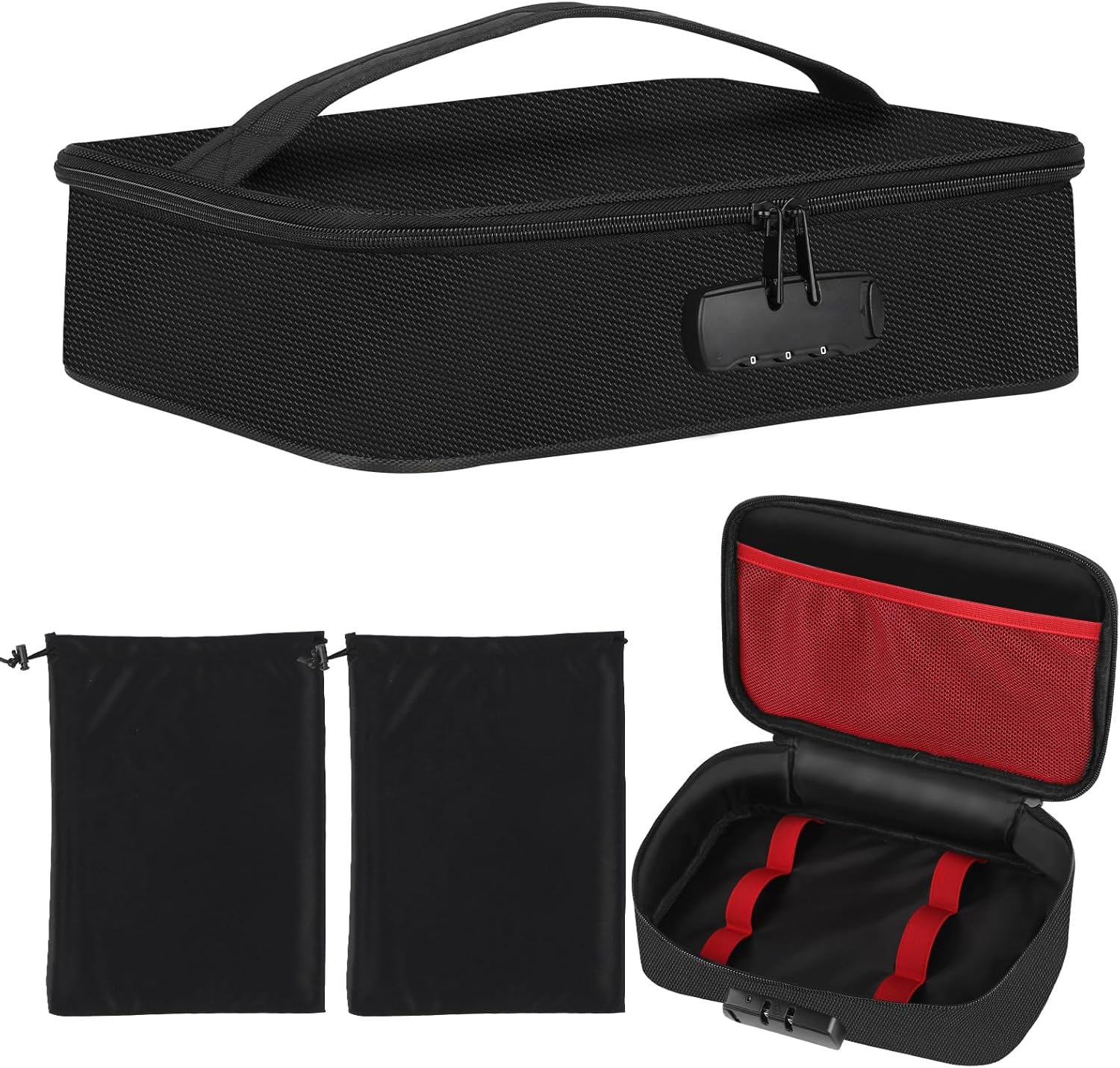
Lockable Wellness Storage Case

4.5 rating from 257 reviews

Editor4.5

Amazon

Lockable Wellness Storage Case

$23.99

Merchant
Amazon
Last checked
May 19, 2026

A lockable, padded storage case for private, organized storage of personal wellness items.

Best for
  • Discreet storage
  • Travel organization
  • Shared living situations
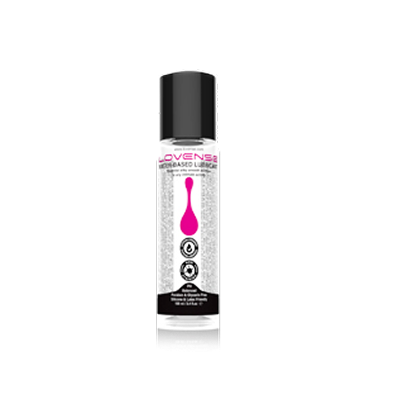
Lovense Water-Based Lubricant

4.8 rating from 86 reviews

Editor4.5

Lovense

Lovense Water-Based Lubricant

$15.00

Merchant
Lovense
Last checked
May 19, 2026

A silky-smooth, pH-balanced water-based lubricant from Lovense for solo or couples use.

Best for
  • Everyday comfort
  • Toy compatibility
  • Solo or couples use

FAQ

Common safety and hygiene questions

Can I use silicone lube with a silicone toy?

Generally no — silicone lubricant bonds to the surface of silicone toys and can cause swelling, tackiness, or a permanent texture change that makes the surface harder to clean. Water-based lubricant is the safe default for all silicone products. If you want to use silicone lube, do a patch test first: apply a small amount to an inconspicuous area, wait 10 minutes, and check for any surface change.

Can I put my toy in the dishwasher?

Only if it's non-motorized and made of glass, stainless steel, or hard non-porous plastic. Top rack, no detergent (the heat and steam are what matters, not the soap). Never put a motorized product in the dishwasher regardless of waterproof rating — the electronics won't survive it. For motorized products, soap and warm water is the correct method.

What does body-safe actually mean?

A body-safe material is non-porous — it doesn't absorb bacteria, oils, or cleaning chemicals. Silicone, ABS plastic, glass, and stainless steel all qualify. TPR, TPE, jelly, and rubber are porous: bacteria survive in the material even after cleaning, and the material itself degrades over time. "Body-safe" isn't a regulated term, so the practical check is the specific material name rather than the label.

What's the difference between waterproof and splash-proof?

IPX7 waterproof means the product can be submerged up to 1 metre for 30 minutes — you can clean it under running water without worry. IPX4 splash-proof or water-resistant means it can handle surface moisture and light spray, but shouldn't be submerged. Only products with IPX7 or higher should be rinsed under a tap. Check the product listing for the IPX rating; "waterproof" without a rating is often marketing language.

How do I know when to replace a product?

Replace when: the silicone surface becomes sticky or tacky (indicates material degradation), there are visible cracks or splits in any part that contacts skin, the motor noticeably weakens or behaves erratically, or the battery stops holding a useful charge. A well-maintained silicone product from a quality brand should last several years with regular use. TPR and jelly products degrade significantly faster and often show visible changes within months.

Is it safe to share products between partners?

Yes, with the right precautions. Using a condom on the product during shared use is the most reliable method and removes the need for full sterilization between partners. Non-motorized glass or stainless products can be sterilized by boiling. Silicone products can be cleaned thoroughly with soap and water between partners, though this doesn't sterilize — a condom is the safer route for penetrative use specifically.

Related links

Continue exploring connected pages.

Want more detail on materials?

The body-safe materials guide goes deeper on what to look for and what to avoid.

Covers silicone grades, how to spot TPR in product listings, and what "phthalate-free" does and doesn't tell you.