

Guides / Materials

Body-Safe Materials Explained

A plain-language breakdown of the most common wellness product materials — what they are, how to identify them in a listing, and what actually matters for safety.

Materials education

Body-Safe Is a Useful Shorthand — Here Is What It Actually Means

The phrase "body-safe" appears frequently in wellness product descriptions, but it is rarely explained. It generally refers to materials that are non-porous (do not trap bacteria), free from certain additives (particularly phthalates and other softening chemicals), and stable when they come into contact with skin and mucous membranes over time. Not all products are body-safe in this sense, and the difference matters both for hygiene and for long-term health.

Last reviewed: May 24, 2026

This recommendation section may include affiliate links. If you choose to use them, SensualityLab may earn a commission at no extra cost to you.

What to know

Key things to understand before you decide.

The safest materials

Silicone, glass, and stainless steel are the gold standard.

Medical-grade silicone, borosilicate glass, and stainless steel are considered the safest materials for personal wellness products. All three are non-porous, meaning they do not absorb bacteria or harbour residue between uses. They are also chemically stable — they do not leach additives into the body and do not react with lubricants. Silicone is the most versatile: soft, flexible, and available across a wide range of product types. Glass and steel are firmer and are typically used for specific formats, but both are excellent options and easy to sterilise.

  • Medical-grade silicone: soft, flexible, non-porous, chemically inert. Compatible with water-based lubricants only.
  • Borosilicate glass: firm, non-porous, temperature-responsive, fully sterilisable. Avoid if it shows any cracks or chips.
  • Stainless steel (304 or 316): smooth, non-porous, temperature-responsive, fully sterilisable and extremely durable.
  • ABS plastic: hard, non-porous, and found widely in toy exteriors and vibrators. Safe, though cannot be boiled.
Porous materials

TPE and TPR are common but require more careful hygiene habits.

Thermoplastic elastomer (TPE) and thermoplastic rubber (TPR) are the materials used in many budget and mid-range products because they are inexpensive to manufacture and produce a soft, skin-like texture. The trade-off is that both are porous — microscopic channels in the material can harbour bacteria even after cleaning. This does not make them immediately unsafe, but it does mean they need to be cleaned more carefully and replaced sooner than non-porous alternatives. Using a condom with porous products reduces risk, particularly for shared use.

  • TPE and TPR: soft, porous, require thorough cleaning after every use.
  • Cannot be fully sterilised — replace more frequently than non-porous options.
  • Using a condom with porous products for shared or internal use is a reasonable precaution.
  • Avoid storing porous products touching each other — they can degrade or bond over time.

What to avoid

Phthalates and "jelly" materials are worth avoiding where possible.

Phthalates are softening chemicals that have historically been used in PVC and "jelly" rubber products to create a flexible texture. They have been linked to health concerns in research on long-term exposure, and while the direct risk from personal products is debated, most reputable manufacturers have moved away from them. A product described as "jelly", "cyberskin", "UR3", or "realistic rubber" without further material detail may use these materials. If a listing does not specify the material clearly, that is itself useful information.

  • Avoid products described only as "jelly", "UR3", "cyberskin", or "realistic" without further material detail.
  • Look for explicit material disclosure (silicone, TPE, ABS) in the product description.
  • Phthalate-free labelling is common in reputable products — it is worth looking for.
  • A strong chemical smell when unboxing is a signal worth paying attention to.

Related reading

More guidance for confident, informed product choices.

Related guide

How to Clean and Care for Products

Material-specific cleaning methods that keep products safe and lasting longer.

Related guide

Safety and Hygiene

A broader guide to materials, safe purchasing, and what to look for in a well-made product.

Related guide

How to Choose

Decision guidance covering comfort, privacy, and material fit for different use cases.

Product picks

Beginner-Friendly Options in Safe, Well-Documented Materials

These picks use silicone or clearly documented materials and come with strong review counts — a solid starting point for material-conscious shoppers.

This recommendation section may include affiliate links. If you choose to use them, SensualityLab may earn a commission at no extra cost to you.

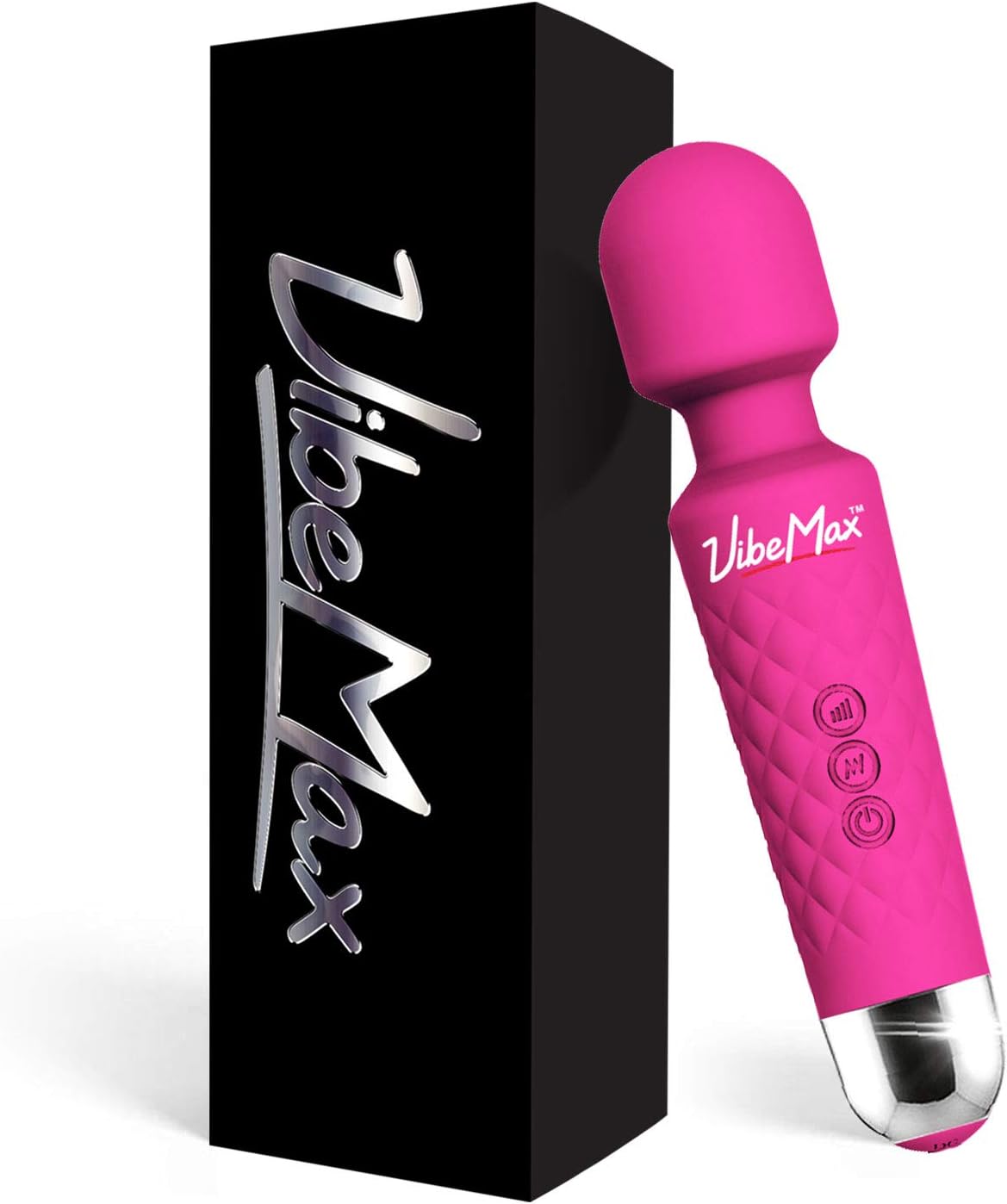
VibeMax Personal Massager

4.2 rating from 11,000+ reviews

VibeMax Personal Massager

VibeMax

$29.99

Merchant
Amazon
Last checked
May 19, 2026

A rechargeable personal massager with whisper-quiet operation and multiple speed settings.

Best for
  • First-time exploration
  • Quiet everyday routines
  • Muscle tension relief
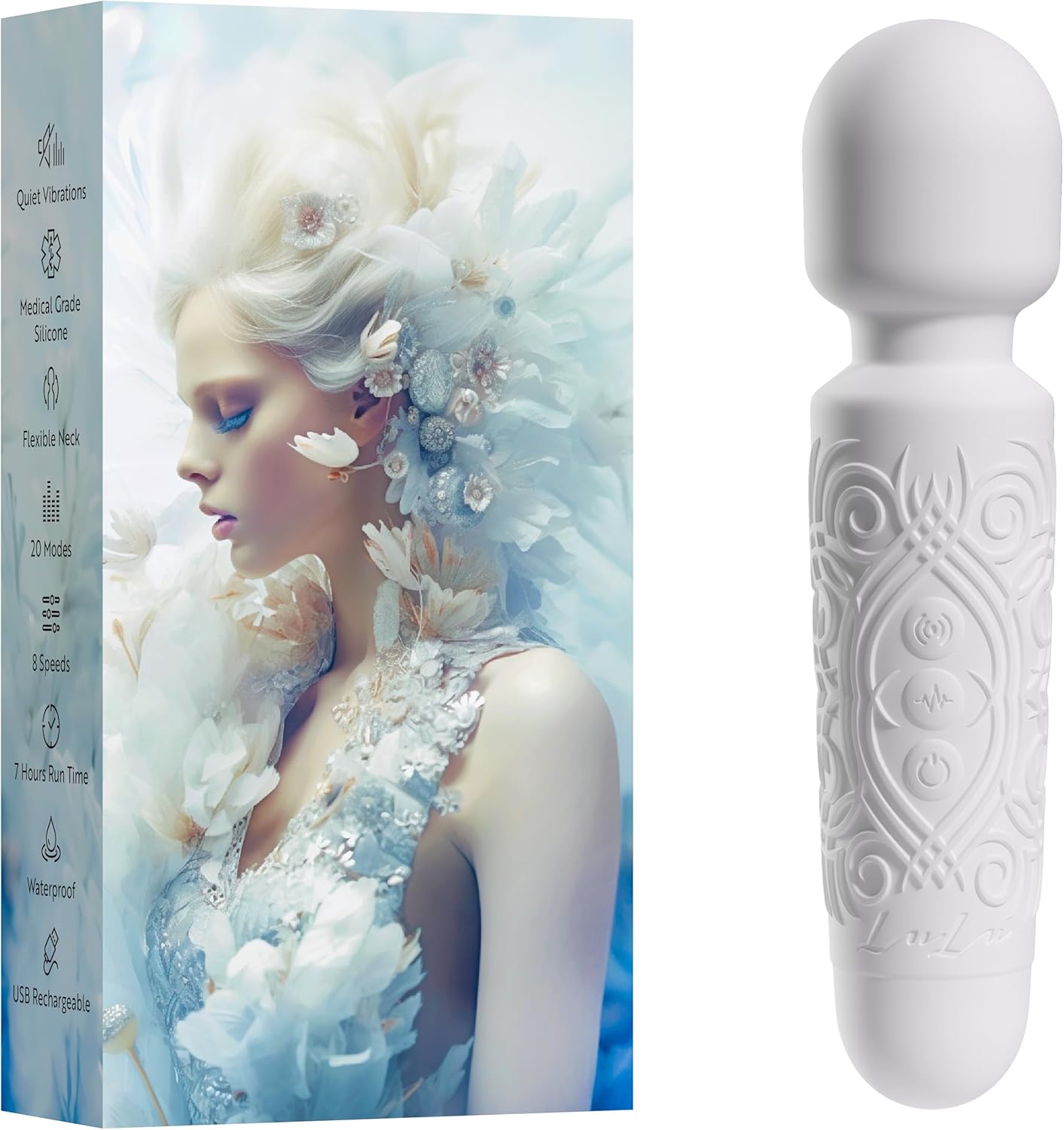
LuLu Wand Personal Massager

4.5 rating from 14,000+ reviews

LuLu Wand Personal Massager

LuLu

$35.00

Merchant
Amazon
Last checked
May 19, 2026

A rechargeable wand massager with strong, whisper-quiet vibrations and a compact handheld design.

Best for
  • Strong vibration
  • Quiet operation
  • Handheld convenience
Tracy's Dog Come-Hither Massager

4.4 rating from 1,800+ reviews

Tracy's Dog Come-Hither Massager

Tracy's Dog

$45.99

Merchant
Amazon
Last checked
May 19, 2026

A multi-function personal massager from Tracy's Dog with suction and vibration modes.

Best for
  • Multi-mode stimulation
  • Everyday routines
  • Feature-rich mid-range

Materials FAQ

Common questions about body-safe materials.

What does "body-safe" actually mean?

Body-safe generally refers to materials that are non-porous (do not harbour bacteria between uses), free from phthalates and other concerning additives, and chemically stable when in contact with skin and mucous membranes. Silicone, glass, stainless steel, and ABS plastic all meet this description. TPE and TPR are commonly used but are porous, which requires more careful hygiene habits.

Is silicone always safe?

Medical-grade or platinum-cured silicone is considered the safest and most widely used material in wellness products. However, not all silicone products are the same quality. Checking that a product is explicitly described as "body-safe silicone" or "medical-grade silicone" is a reasonable step. One test: body-safe silicone should not change shape when touched with a flame, though this is rarely practical — sticking with reputable brands and clear product descriptions is more useful day-to-day.

Can I use silicone lubricant with silicone products?

No — silicone-based lubricants can degrade silicone products over time, causing the surface to break down. Use water-based lubricant with all silicone products. Silicone lubricant is compatible with glass and steel.

How can I tell what a product is made from if the listing is vague?

If the listing does not clearly state the material, that is itself a useful signal — reputable manufacturers with well-made products generally disclose materials explicitly. Look for terms like "medical-grade silicone", "ABS plastic", "borosilicate glass", or "stainless steel". If you see only "jelly", "cyberskin", or "realistic rubber" without further detail, the material may not meet body-safe standards.

Related links

Continue exploring connected pages.

Shop with more confidence

Knowing your materials makes every purchase decision simpler.

Pair material knowledge with the how-to-choose guide for a clearer path to the right first pick.