

Guides / How to Choose

Find what actually works for you.

There are a lot of options — and most of the noise online isn't helpful. This guide cuts through it by focusing on four things that genuinely matter: what kind of stimulation you want, where you're starting from, who you're buying for, and what you want to spend.

How to choose

Start with the right question.

The right product depends on what you're actually looking for — not what's most popular. Suction and vibration feel completely different. A wand is nothing like a bullet. App-connected products solve a specific problem that most people don't have yet. Starting with the right question makes everything else easier.

By Mara Ellis, Wellness & Relationships Editor

Last reviewed: May 31, 2026

Decision guide

Work through these four questions in order.

01

Step one

Decide what kind of stimulation you want.

Suction, vibration, and penetration feel genuinely different — not just slightly different. Choosing the wrong type is the most common first mistake. Pick a direction before you look at specific products.

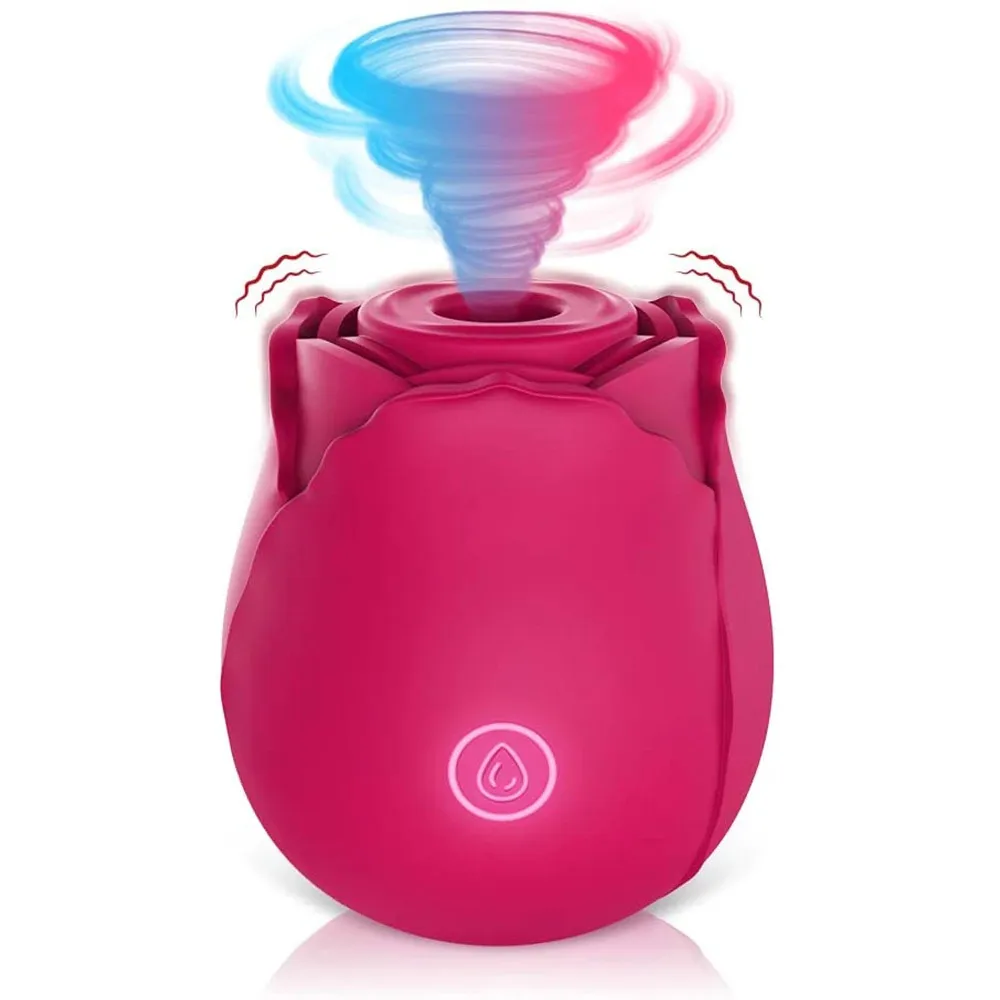
  • Suction & air pulse: indirect pulsing pressure, no friction — often more intense than vibration
  • Bullet vibrators: small, precise, and discreet — best for focused clitoral stimulation
  • Wand vibrators: broad and powerful — the most intense external option
  • G-spot vibrators: curved for internal stimulation
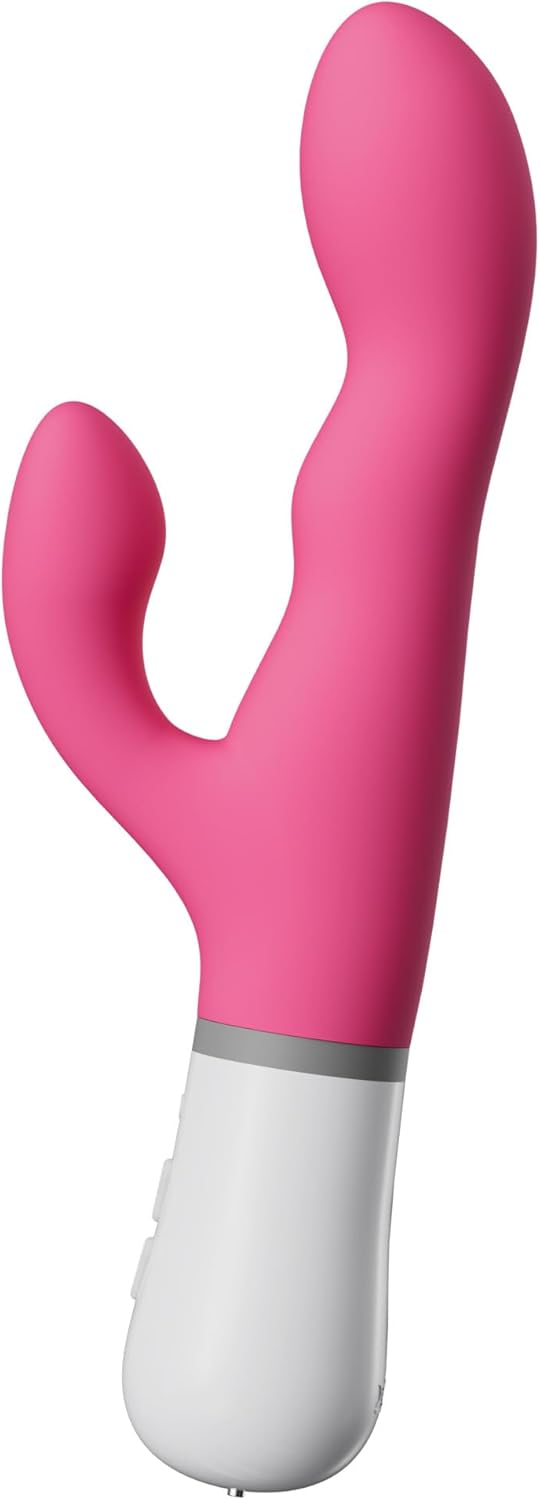
  • Rabbit vibrators: internal and clitoral at the same time
  • Dildos: internal only, no vibration, no charging needed — good if vibration feels too intense
  • Not sure? Start with suction or a bullet — both are low-commitment and widely liked
02

Step two

Be honest about where you're starting from.

Experience level affects which features are useful versus overwhelming. A first product should do one thing well — not five things adequately. Save app connectivity, multiple motors, and advanced settings for later.

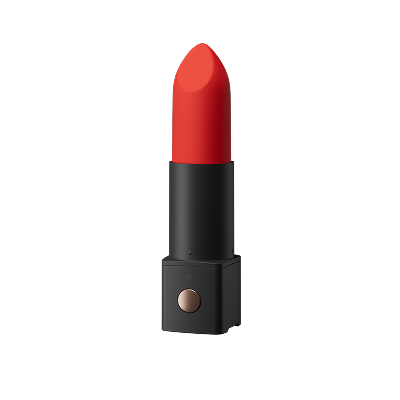
  • First product: small, single-function, simple controls — the rose toy or Lovense Exomoon are both solid picks
  • Some experience: move toward your known preference — wand, G-spot, or rabbit
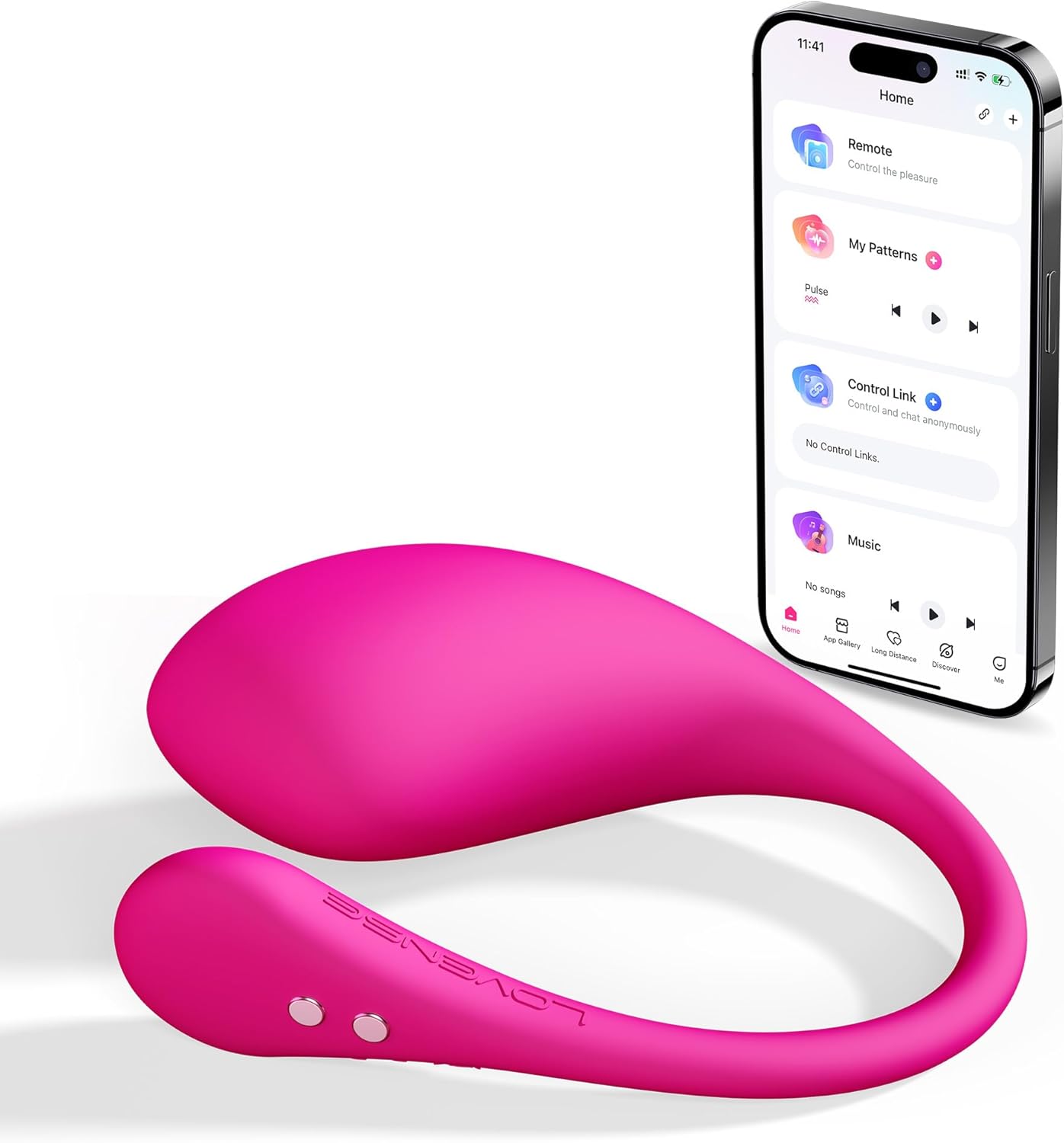
  • Comfortable with the basics: app-connected products (Lovense) add customisation and long-distance control — worthwhile at this stage
03

Step three

Solo use or with a partner?

Most products work in both contexts. The exceptions are products specifically engineered for shared or long-distance use — those are worth seeking out if that's your situation.

  • Solo: any type works — focus entirely on stimulation preference and ease of use
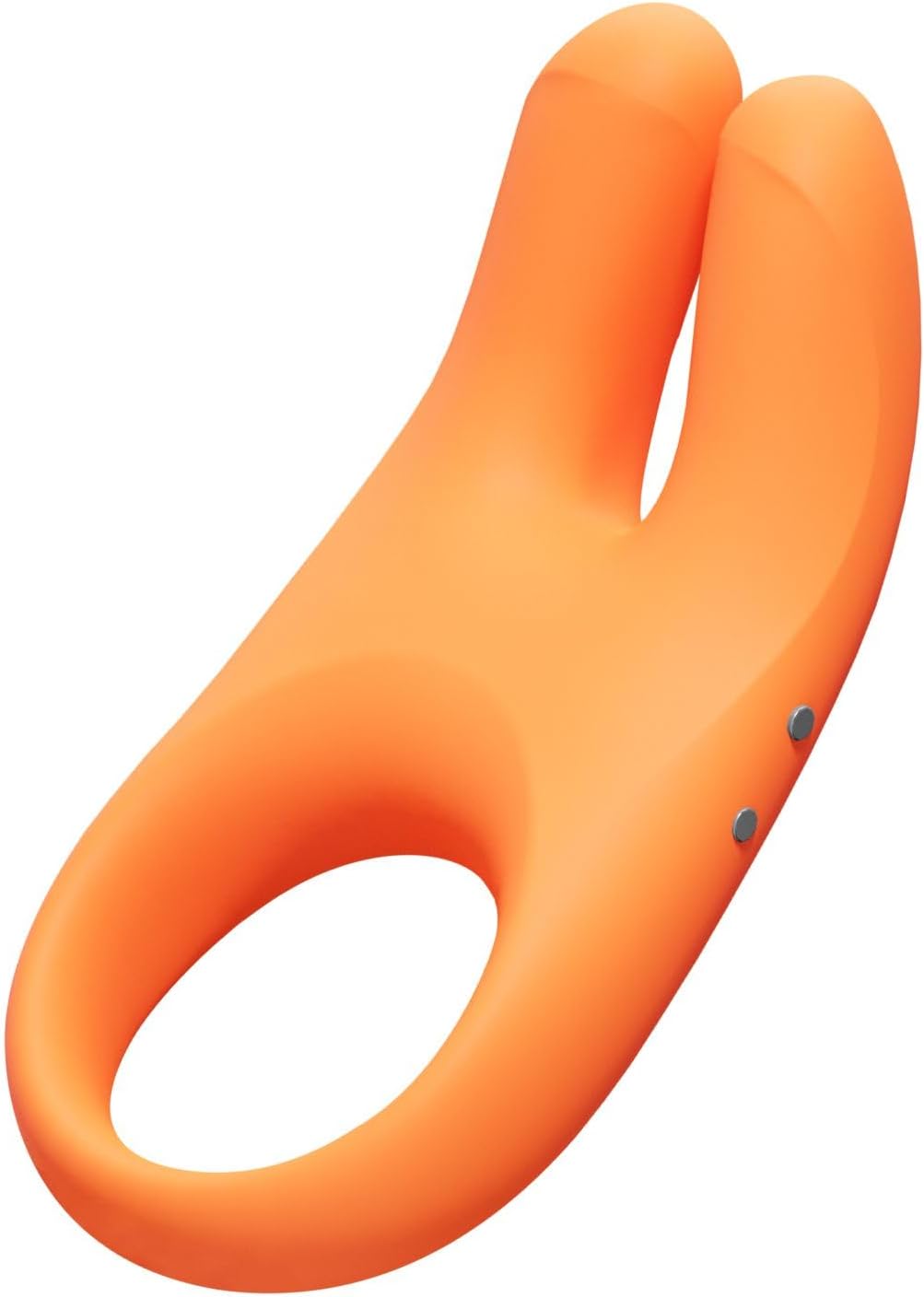
  • Couples: vibrating cock rings (VUSH Orb), wearable toys, or app-controlled products a partner can operate
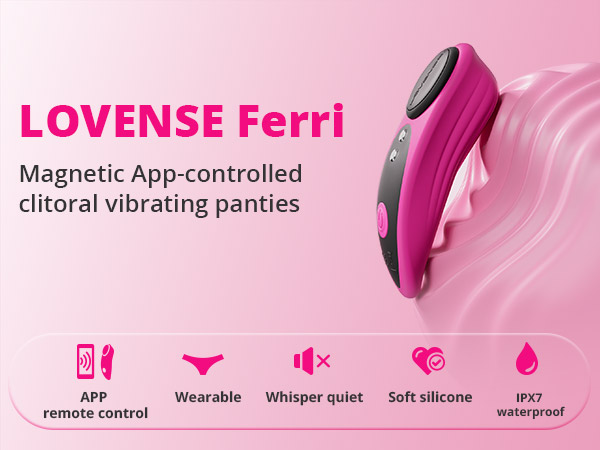
  • Long distance: Lovense Lush 3 or Ferri — built specifically for remote partner control
04

Step four

Set a realistic budget.

More expensive isn't always better, but under $20 usually means lower-quality materials and motors that wear out fast. For a first product, $25–$80 covers most of the best options. Spend more only once you know what you like.

  • Under $30: the rose toy (~$25) is the standout — well-reviewed, body-safe, effective
  • $30–$80: the widest range of quality — most Lovense and Rose Toy Official products land here
  • $80–$150: premium single-function products — worthwhile once you know your preference
  • Over $150: multi-motor app-connected systems — only makes sense with established preferences

Helpful next steps

Structured cards for related topics, guides, and paths forward.

Tool

Not sure? Use the product finder

Answer a few simple questions and get a personalised recommendation matched to your situation.

Review

Best for Beginners

A curated roundup of the most approachable first products — simple, well-reviewed, and easy to return to.

Products

Browse by product type

Filter the full product list by category — vibrators, suction toys, dildos, couples toys, and more.

Guide

Safety & Hygiene

Practical care guidance for cleaning, storage, and materials — what to know before and after you buy.

FAQ

Common questions

What is the difference between suction toys and vibrators?

Suction toys use air pressure pulses to create an indirect pulsing sensation — there's no direct contact or vibration. Many people find them more intense than traditional vibrators. Vibrators use motor-driven vibration and come in several forms: bullets, wands, G-spot, and rabbit styles. The sensations are genuinely different, and personal preference varies widely. If you're unsure, a suction toy or small bullet are both low-risk first options.

What should a complete beginner start with?

Something small, single-function, and well-reviewed. The classic rose suction toy (around $25) and the Lovense Exomoon lipstick vibrator (around $79) are both good first picks — simple controls, discreet size, easy to clean, and effective. Avoid anything with multiple motors, advanced settings, or app connectivity until you know what you like.

What is the difference between a wand and a bullet vibrator?

Wands are larger, more powerful, and designed for broad external stimulation. They're often corded or have a large rechargeable battery. Bullets are small, focused, and precise — good for targeted clitoral stimulation and easy to travel with. Wands are generally more intense; bullets are more discreet and portable.

Are app-connected products worth it?

They depend on your use case. App-connected products like Lovense are genuinely valuable for long-distance couples or people who want customisable vibration patterns. For general solo use, the app adds complexity without a meaningful benefit. Most people find app connectivity valuable only once they're comfortable with non-app products first.

How do I know what size is right?

For external stimulation products (suction toys, bullets, wands), size mostly affects portability and power — not fit. For internal products (G-spot vibrators, dildos, rabbit vibrators), start smaller than you think you need. Most beginner products are designed conservatively for this reason. If you're unsure, choose an external stimulation product first — there's no size consideration at all.

What materials should I look for?

Body-safe silicone is the standard for any product that touches skin. It's non-porous, easy to clean, and durable. Avoid products that list "PVC," "jelly," or "TPR" without a specific body-safe certification — these materials can harbour bacteria and degrade over time. ABS plastic is also safe and commonly used for hard-surface components.

Related links

Continue exploring connected pages.

You know what you want.

Now find it.

The beginner roundup covers the most approachable first products across every type — suction, vibration, couples, and budget picks — with honest context on each.