

Guides / Feel More Comfortable

What makes people hesitant — and what actually helps.

Nervousness about personal wellness products usually comes from one of three places: privacy concerns, not knowing the category, or fear of choosing wrong. All three have concrete, practical answers.

Why hesitation happens

Hesitation is almost always about one of three things.

Most people who feel uncertain before buying a personal wellness product aren't uncertain about whether they want one — they're uncertain about privacy, about navigating an unfamiliar category, or about whether they'll pick the right thing. Those are all answerable questions. This page works through each one.

By Mara Ellis, Wellness & Relationships Editor

Last reviewed: June 11, 2026

This recommendation section may include affiliate links. If you choose to use them, SensualityLab may earn a commission at no extra cost to you.

The three concerns

Privacy, category knowledge, and the stakes of getting it wrong.

01

Privacy

Delivery is plain packaging. Billing is a generic company name. This site doesn't need an account.

The practical privacy concerns are real and worth addressing directly. Reputable retailers ship in plain, unmarked boxes — no product names or logos on the outside. Billing descriptors are typically the parent company name rather than the product or brand: Lovense bills as "Hytto Ltd," Amazon orders appear as "AMZN Mktp." SensualityLab doesn't require account creation, and analytics data isn't tied to personal identity. The privacy infrastructure is better than most people assume before they look into it.

  • Outer packaging: plain box or envelope, no product name, no visible branding
  • Billing: parent company name on statements, not the product or retailer name
  • Browsing: no account required, analytics not linked to personal identity
  • Storage: products charge via USB — no unusual cables or chargers that would look out of place
02

Not knowing the category

You don't need prior knowledge. The category is simpler than it looks from outside it.

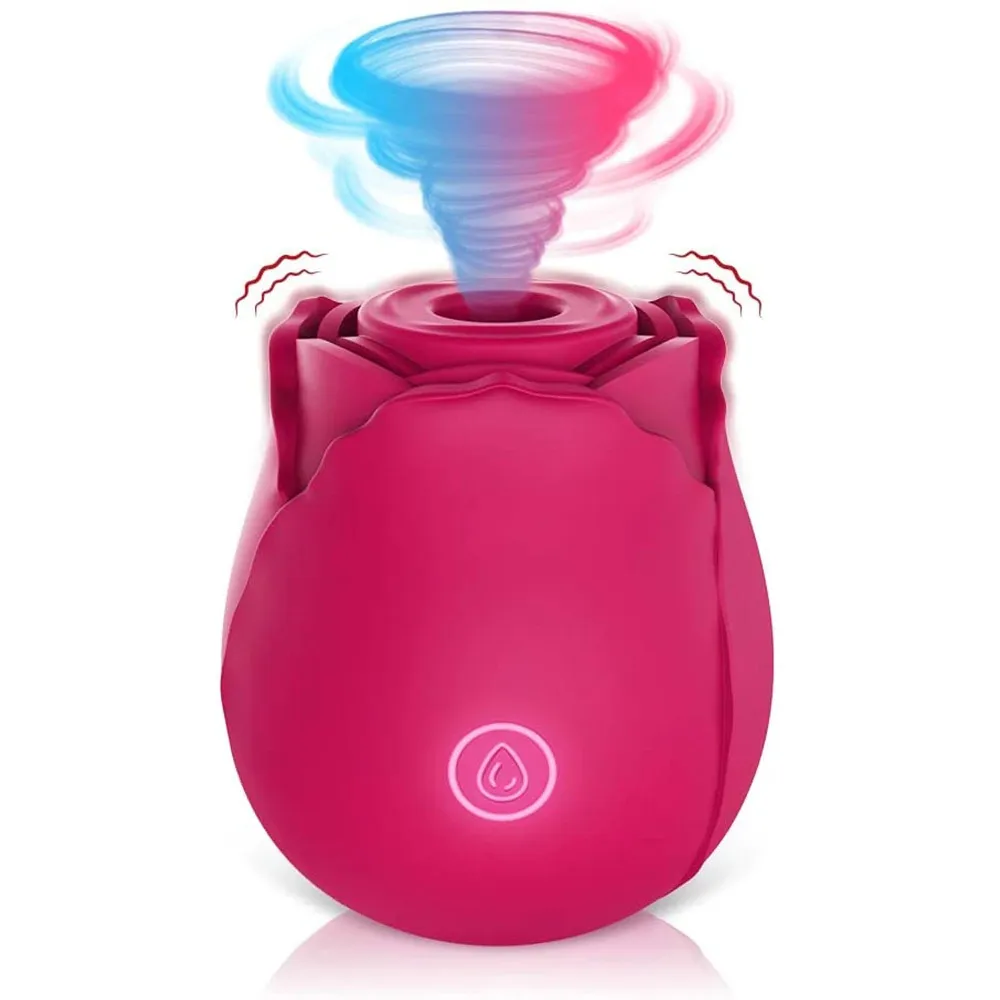
Personal wellness products have a reputation for being complicated to navigate — too many options, too much jargon, too many features that are hard to evaluate. In practice, the category is much simpler. Most beginners do best with one of two types: suction toys (pulsing air pressure, no direct contact) or bullet vibrators (small, focused vibration). Both are available for $25–$60. The rose toy at ~$25 has 80,000+ reviews and is the most commonly recommended first product for a reason — it's distinctive, effective, and cheap enough that "it wasn't for me" is a fine outcome.

  • Two types are worth knowing at the start: suction and vibration — they feel genuinely different
  • Most people find suction more surprising than expected and vibration more familiar
  • The how-to-choose guide covers both in detail, with specific product picks at each step
  • Reading one guide before browsing products tends to make the whole experience less overwhelming
03

Fear of choosing wrong

The stakes of a first pick are low — especially at $25.

The fear of choosing the wrong product is usually disproportionate to the actual risk. A first product is information: you're finding out what sensation you prefer, what simplicity level works for you, what you want more of. If the rose toy isn't for you, that's a $25 lesson that rules out one category and points you toward another. Body-safe silicone is easy to identify (slightly matte, velvety texture — not shiny or rubbery) and is the only material worth considering. Beyond that, products with high review counts on established platforms are a reliable signal of consistent quality.

  • Start under $50 — there's no reason to spend more before you know what you like
  • Body-safe silicone: slightly matte, velvety texture; avoid anything listed as TPR, jelly, or rubber
  • High review counts (10,000+) on Amazon or direct brand sites signal consistent real-world performance
  • A first product that turns out not to be right is still useful — it tells you what type to try next

Next steps

Where to go from here

Guide

Beginner's Guide

What beginner-friendly actually means, what to expect from a first experience, and which products make sense as a starting point.

Guide

How to Choose

A step-by-step framework covering stimulation type, experience level, solo vs. couples, and budget.

Review

Best for Beginners

Curated first-product picks across suction, vibration, and budget categories — with honest context on each.

Product picks

The most commonly recommended first picks

Three beginner-appropriate options — specific, well-reviewed, and easy to evaluate.

This recommendation section may include affiliate links. If you choose to use them, SensualityLab may earn a commission at no extra cost to you.

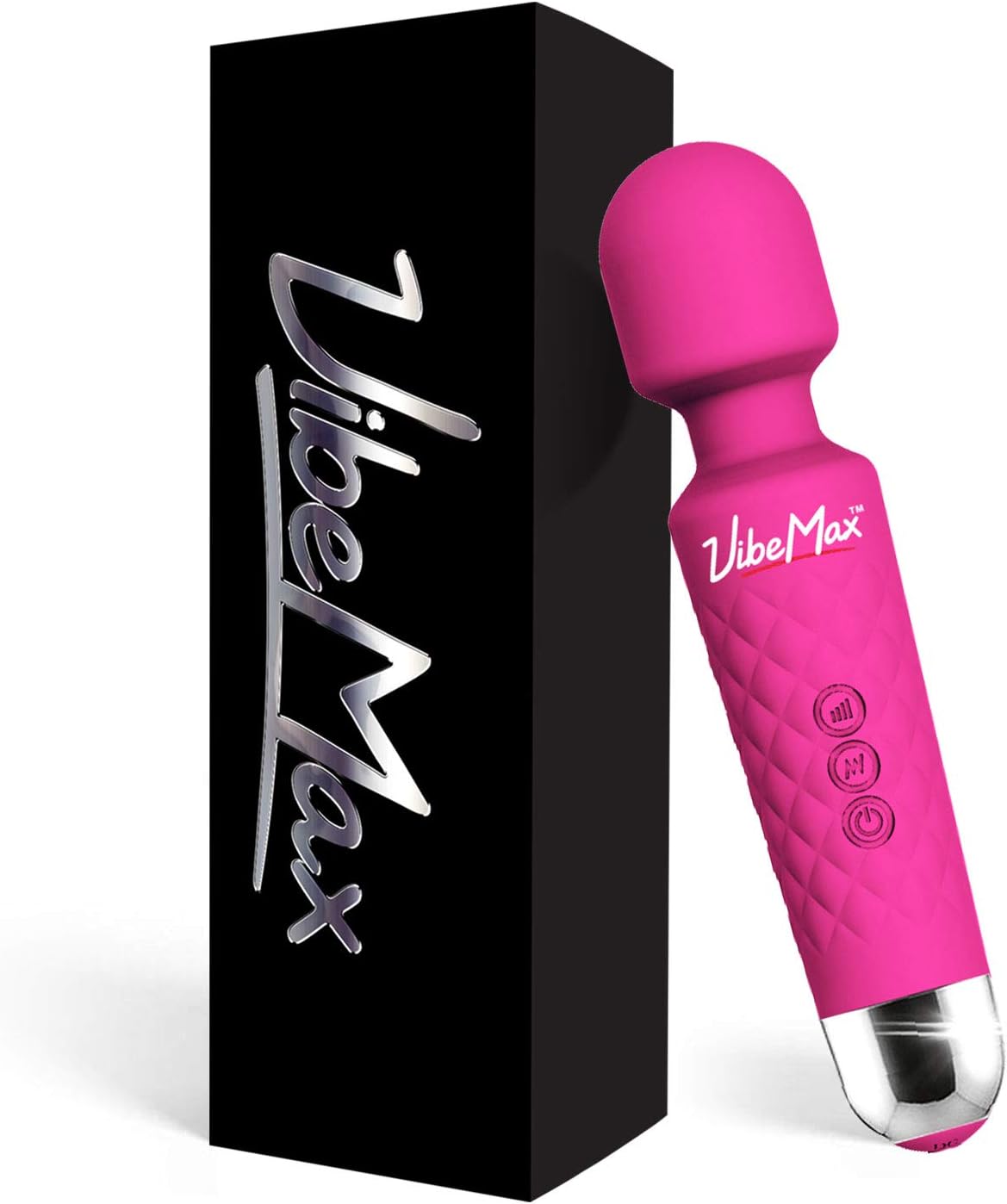
VibeMax Personal Massager

4.2 rating from 11,000+ reviews

Editor4.0

VibeMax

VibeMax Personal Massager

$29.99

Merchant
Amazon
Material
ABS plastic
Last checked
May 19, 2026

A rechargeable personal massager with whisper-quiet operation and multiple speed settings.

Best for
  • First-time exploration
  • Quiet everyday routines
  • Muscle tension relief
LuLu Wand Personal Massager

4.5 rating from 14,000+ reviews

Editor4.0

LuLu

LuLu Wand Personal Massager

$35.00

Merchant
Amazon
Material
Silicone & ABS
Last checked
May 19, 2026

A rechargeable wand massager with strong, whisper-quiet vibrations and a compact handheld design.

Best for
  • Strong vibration
  • Quiet operation
  • Handheld convenience
Tracy's Dog Come-Hither Massager

4.4 rating from 1,800+ reviews

Editor3.8

Tracy's Dog

Tracy's Dog Come-Hither Massager

$45.99

Merchant
Amazon
Material
Body-safe silicone
Last checked
May 19, 2026

A multi-function personal massager from Tracy's Dog with suction and vibration modes.

Best for
  • Multi-mode stimulation
  • Everyday routines
  • Feature-rich mid-range

FAQ

Direct answers to what people actually worry about

Will anyone know what I bought?

Not from the packaging or billing. Delivery arrives in a plain, unmarked box or envelope with no product name visible. The billing descriptor on your statement will be the parent company name — Lovense bills as "Hytto Ltd," for example — not the product or brand. There's no requirement to create an account to browse this site, and analytics data isn't linked to personal identity.

What does the package look like when it arrives?

Plain cardboard box or padded envelope with the retailer's generic return address. Nothing printed on the outside identifies the contents. Inside, the product packaging may have branding, but the outer shipping packaging is neutral. This is standard practice for reputable wellness retailers.

What if I buy something and don't like it?

That's a reasonable outcome, especially for a first product. Most people discover their preferences by trying something — not by researching until certainty arrives. The rose toy at ~$25 is a common starting point specifically because the stakes are low. If it turns out suction isn't for you, that's a useful piece of information. Most established retailers have return policies, though they vary — worth checking before purchasing.

I don't know anything about this category. Where do I start?

The beginner's guide is the right starting point — it covers what "beginner-friendly" actually means, the difference between suction and vibration, and which products make sense as a first pick. The how-to-choose guide goes deeper if you want a full framework before browsing products.

Is nervousness about this normal?

Yes — it's probably the most common experience people have before a first purchase. The category has a lot of cultural weight attached to it that the products themselves don't necessarily carry. Most people find the nervousness drops significantly once they're past the first purchase. Products that are simpler to use tend to help because there's less to think about.

Related links

Continue exploring connected pages.

Ready to look at actual products?

The beginner's guide has specific picks with real context.

Once the practical questions are answered, the beginner's guide covers what to buy, what to expect, and how to evaluate options — with specific product names and prices.