

For Couples / Postpartum

Intimacy After Birth — Reconnecting at Your Own Pace

Having a baby changes your relationship with your body, your energy, and your partner. A supportive guide for navigating the postpartum period with patience, honesty, and zero pressure.

Reassurance

There Is No Right Timeline for This

The postpartum period is one of the most significant physical and emotional transitions a person can go through — and it happens at the same time as one of the most demanding life changes a couple will face together. Intimacy after birth is not just about when the body is physically ready. It is about sleep, identity, emotional capacity, the relationship itself, and a dozen other factors that shift unpredictably in the first months and years after having a child. Whatever pace feels right for you is the right pace.

Last reviewed: May 24, 2026

This recommendation section may include affiliate links. If you choose to use them, SensualityLab may earn a commission at no extra cost to you.

What to know

Key things to understand before you decide.

What actually changes

The postpartum body and mind need time — more than most people are told to expect.

The standard advice to "wait six weeks" addresses physical healing from birth, but it says nothing about the months of hormonal adjustment, the exhaustion of new parenthood, the emotional weight of a changed identity, or the shifts in how a person relates to their own body after pregnancy and birth. For many people — particularly those who have given birth — desire does not simply return on a schedule. It comes back gradually, unevenly, and in its own time. Partners who understand this do better than those who treat six weeks as a starting gun.

  • Hormonal changes after birth — particularly in breastfeeding parents — can significantly reduce desire for months.
  • Physical recovery from birth (including from tears, stitches, or caesarean) is highly individual and may take longer than expected.
  • Body image and identity shifts are real and can affect how comfortable a person feels with intimacy.
  • Sleep deprivation alone is a substantial desire suppressant — for both partners.

Connection before intimacy

Emotional closeness is usually the most useful first step.

For many couples, the most productive focus in the postpartum period is not on returning to physical intimacy quickly, but on maintaining emotional connection under pressure. New parenthood puts almost every couple under strain — time, attention, and energy are all scarcer. Intentional moments of connection — a conversation that is not about the baby, a shared meal, physical closeness without expectation — help keep the relationship present even when there is no bandwidth for anything more. This tends to create a better foundation for physical reconnection when both partners are genuinely ready.

  • Physical affection without expectation (holding hands, a hug, sitting together) maintains closeness without pressure.
  • Telling your partner specifically what you appreciate — not just that you love them — has an outsized effect on connection.
  • Talking about how you are both finding it, rather than performing that everything is fine, keeps trust intact.
  • Even fifteen minutes of undivided attention — not on phones, not about logistics — matters more than it sounds.

When both partners feel ready

Returning to intimacy works best when it is genuinely mutual and unhurried.

When both partners feel ready to reintroduce physical intimacy, starting slowly and with clear communication tends to work better than trying to return immediately to what intimacy looked like before. Bodies and desires may be different now. What felt comfortable before may need revisiting. Starting with lower-pressure forms of connection — touch, closeness, shared exploration at a genuinely comfortable pace — gives both partners the chance to understand the new landscape without it feeling like a test. Lubrication is often helpful for those who experienced hormonal dryness postpartum, and a comfort-focused approach matters more than intensity.

Related support

Helpful guidance for the postpartum period.

Related path

Reconnect with Your Partner

Calm, supportive guidance for rebuilding closeness through shared attention and low-pressure steps.

Related guide

How to Communicate Needs

Practical guidance for sensitive conversations — especially useful when both partners are navigating a lot.

Related guide

How to Choose

A calm decision guide for when both partners feel ready to explore something new — at their own pace.

Product picks

Comfort-Focused Options for When Both Partners Feel Ready

These picks prioritise comfort, simplicity, and low pressure — a good fit for couples returning to exploration at their own pace.

This recommendation section may include affiliate links. If you choose to use them, SensualityLab may earn a commission at no extra cost to you.

VibeMax Personal Massager

4.2 rating from 11,000+ reviews

VibeMax Personal Massager

VibeMax

$29.99

Merchant
Amazon
Last checked
May 19, 2026

A rechargeable personal massager with whisper-quiet operation and multiple speed settings.

Best for
  • First-time exploration
  • Quiet everyday routines
  • Muscle tension relief
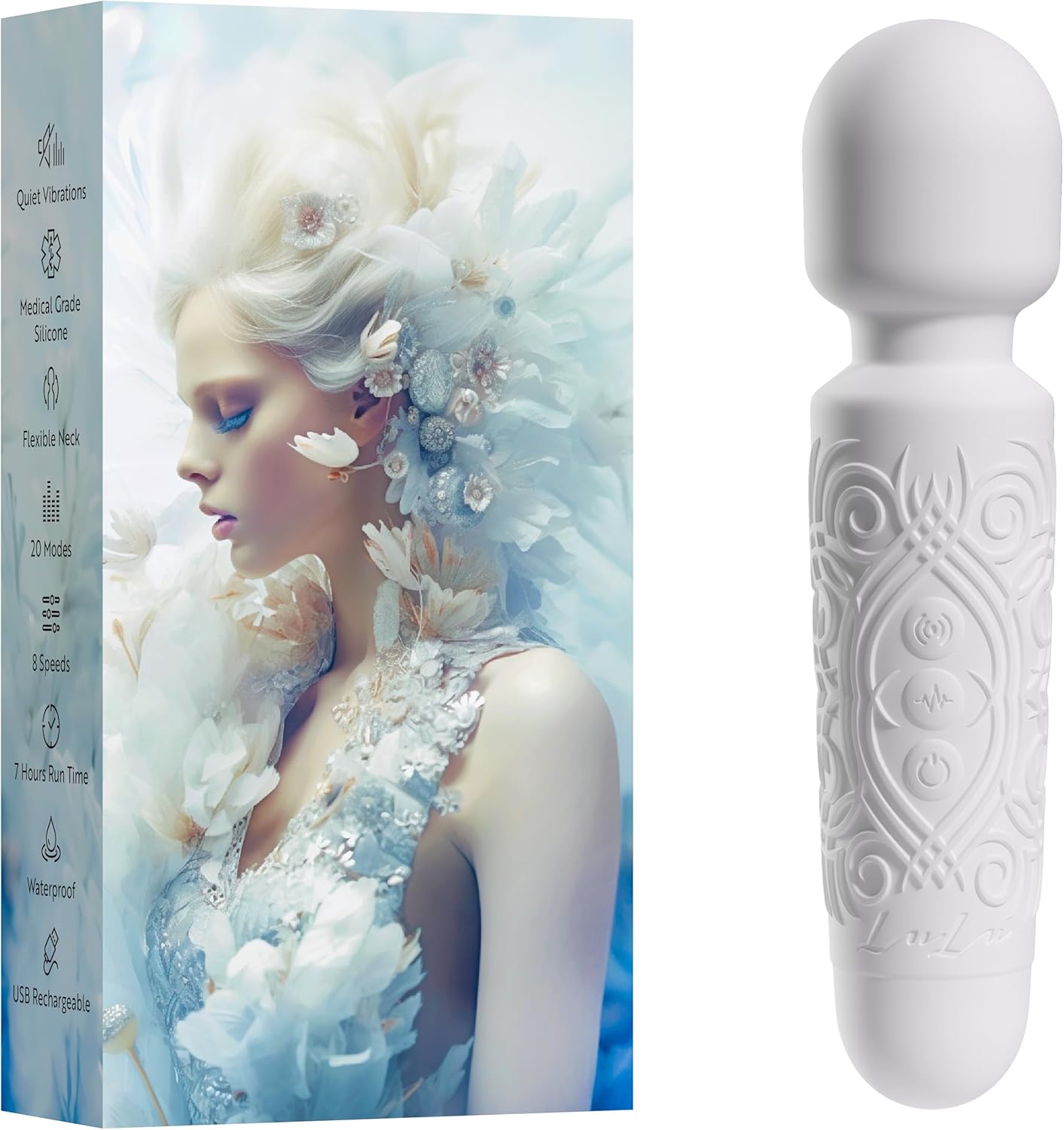
LuLu Wand Personal Massager

4.5 rating from 14,000+ reviews

LuLu Wand Personal Massager

LuLu

$35.00

Merchant
Amazon
Last checked
May 19, 2026

A rechargeable wand massager with strong, whisper-quiet vibrations and a compact handheld design.

Best for
  • Strong vibration
  • Quiet operation
  • Handheld convenience
{THE AND} Couples Card Game

4.5 rating from 1,595 reviews

{THE AND} Couples Card Game

The Skin Deep

$29.99

Merchant
Amazon
Last checked
May 19, 2026

199 meaningful conversation cards designed to deepen connection and spark honest conversations.

Best for
  • Deepening connection
  • Date-night conversations
  • Long-distance couples

Postpartum FAQ

Common questions about intimacy after birth.

When is it safe to resume sex after birth?

The general medical guidance is to wait at least six weeks after vaginal birth, and longer after a caesarean or if there were complications. But medical clearance is a floor, not a target — being physically healed is different from feeling emotionally and physically ready. There is no obligation to resume at any particular point.

Is it normal for desire to be very low postpartum?

Yes — and it is significantly under-discussed. Hormonal changes (particularly in breastfeeding parents), physical recovery, sleep deprivation, and the emotional weight of new parenthood all reliably suppress desire. For many people, low desire in the first year postpartum is not a relationship problem — it is a normal biological and psychological response to an enormous transition.

What if one partner feels ready before the other?

This is very common, and the most useful response is honest, pressure-free conversation rather than either pushing forward or withdrawing. The partner who is not ready should not feel obligated, and the partner who is ready deserves to have their feelings acknowledged too. Focusing on emotional connection — rather than physical intimacy specifically — usually helps both partners feel more understood while the gap closes.

Does postpartum intimacy ever go back to normal?

For most couples, yes — though "normal" often means something different than before, not worse. Intimacy after children tends to become more intentional and communication-dependent. Many couples report that navigating this period honestly — rather than silently — actually strengthens the relationship in the longer term.

Is it worth talking to someone about this?

If the postpartum period is significantly affecting either partner's wellbeing, or if the relationship feels under serious strain, speaking with a GP, midwife, or couples therapist is worth considering. Postpartum depression and anxiety are common and treatable. Relationship strain after having a baby is also very common, and couples therapy in this period can be particularly helpful.

Related links

Continue exploring connected pages.

No pressure, no timeline

Start with connection — everything else follows from there.

Reconnect and communication guidance can help create a calmer foundation for the postpartum period.