

Connection / Anticipation

The Art of Anticipation

Anticipation is often what makes an evening feel richer, because it gives closeness time to build instead of demanding it instantly.

Pacing and buildup

Let the Evening Build Instead of Trying to Rush the Mood

Anticipation is not about grand mystery. It is about pacing. A little more time, a softer atmosphere, and a few thoughtful gestures can make connection feel more emotionally charged and much less rushed, even when the evening stays simple.

Last reviewed: May 3, 2026

What to know

Helpful guidance with a calm, educational tone.

Start earlier than you think

Anticipation often begins with small cues long before the main part of the evening.

A thoughtful text, fresh sheets, candlelight already lit, or dessert waiting on the counter can all signal that the night has a different tone. Those cues create emotional buildup because they show care and intentionality before anything else needs to happen.

  • Use subtle signals that feel personal rather than performative.
  • Let the first cue appear before the evening formally starts.
  • Keep the gesture simple enough that it feels genuine.

Use pauses well

A little restraint can make touch, conversation, and atmosphere feel more meaningful.

When the evening does not move immediately to the next step, each moment has more room to land. Long hugs, slower touch, and a bit more conversation create texture and emotional depth that often feel more intimate than trying to accelerate the experience.

  • Do not fill every quiet moment with action.
  • Use slower transitions to let the mood settle naturally.
  • Let attention linger where the energy already feels warm.

Shape the setting

Anticipation grows more easily in a room that already feels different from everyday life.

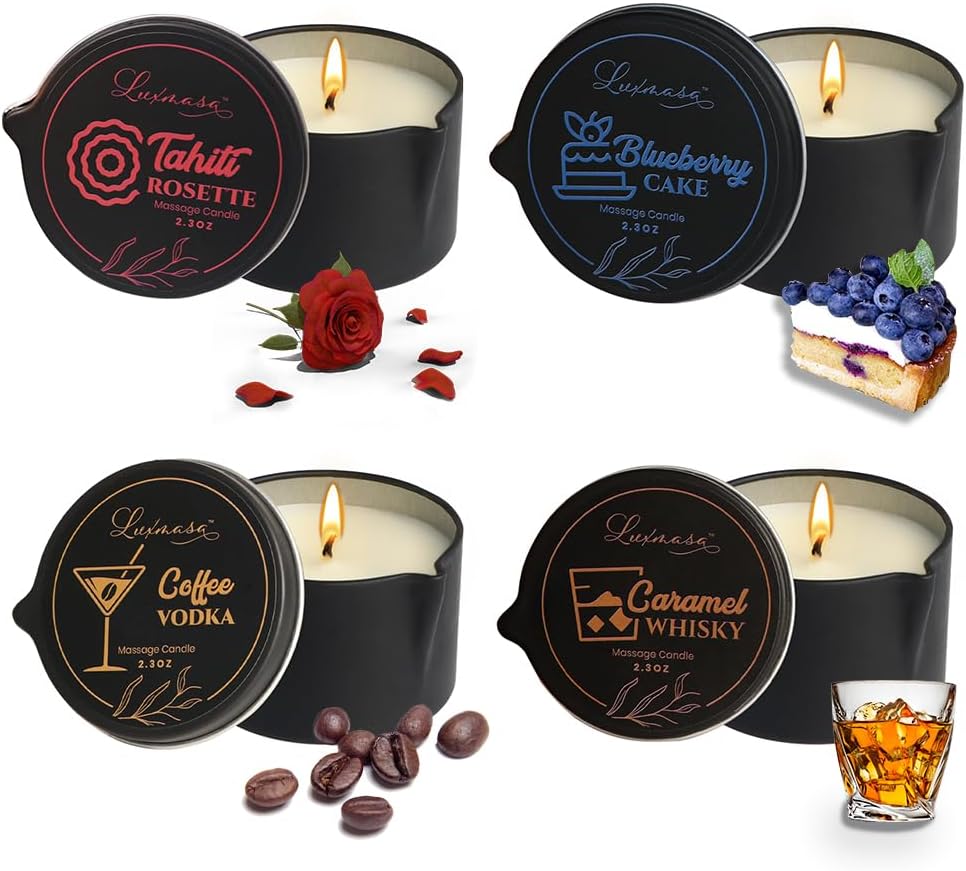
Lighting, scent, music, and visual calm matter because they create an emotional frame for the night. The room does not have to be dramatic. It just has to feel intentional enough that everyone notices the shift.

  • Use one or two atmosphere cues instead of an overdesigned setup.
  • Treat visual calm as part of the buildup.
  • Let the room support anticipation without making it obvious or forced.

Keep it emotionally generous

The best anticipation feels inviting, not manipulative or overly theatrical.

Thoughtful buildup works because it communicates care, not because it withholds affection. When anticipation stays warm, collaborative, and responsive, it helps both people feel more engaged rather than more self-conscious.

  • Stay attentive to comfort and feedback.
  • Use buildup to heighten warmth, not to create pressure.
  • Let the pace remain flexible if the mood changes.

Helpful next steps

Pages That Pair Naturally With Anticipation

Related guide

Pre-Intimacy Rituals

Use simple transitions and cues that help anticipation feel more natural.

Read more

Related guide

Slow Intimacy

Keep the pace gentle so anticipation has room to build without feeling forced.

Explore this page

Related guide

Sensory Play for Beginners

Layer touch, sound, and temperature to create richer buildup in a beginner-friendly way.

Learn more

Common questions

Anticipation FAQs

What creates anticipation in a romantic evening?

Thoughtful cues, slower pacing, and a room that already feels intentional often create the strongest anticipation.

How do you build anticipation without making it awkward?

Keep the gestures subtle, personal, and responsive. The goal is warmth and buildup, not drama.

Is anticipation mostly about physical touch?

No. Atmosphere, conversation, timing, and emotional tone often matter just as much as touch.

Related links

Continue exploring connected pages.

Let it build

A slower pace and a better atmosphere can make the whole evening feel more magnetic.

Anticipation usually comes from thoughtful setup and timing, not from trying harder.