
Atmosphere / Mood Setting

How to Set the Mood at Home

A better mood usually comes from removing friction, softening the room, and helping the evening feel different from the workday that came before it.

At-home atmosphere

Set the Mood by Making the Evening Feel More Intentional

Setting the mood at home is less about chasing perfection and more about shaping a gentle transition. When light, scent, sound, and pacing work together, the room feels calmer and connection becomes easier to step into.

Last reviewed: May 3, 2026

What to know

Helpful guidance with a calm, educational tone.

Clear the visual noise

A calmer room often starts with removing distractions before adding romantic details.

Laundry piles, bright screens, cluttered counters, and harsh overhead lighting all pull the mind back into daily life. Tidying one visible area, dimming the room, and putting devices away makes the emotional shift feel easier almost immediately.

  • Pick one or two high-impact surfaces to clear first.
  • Silence notifications before the evening begins.
  • Treat visual calm as part of the atmosphere, not as a separate chore.

Use warm layers

Lighting, textiles, and scent help the room feel softer and more welcoming.

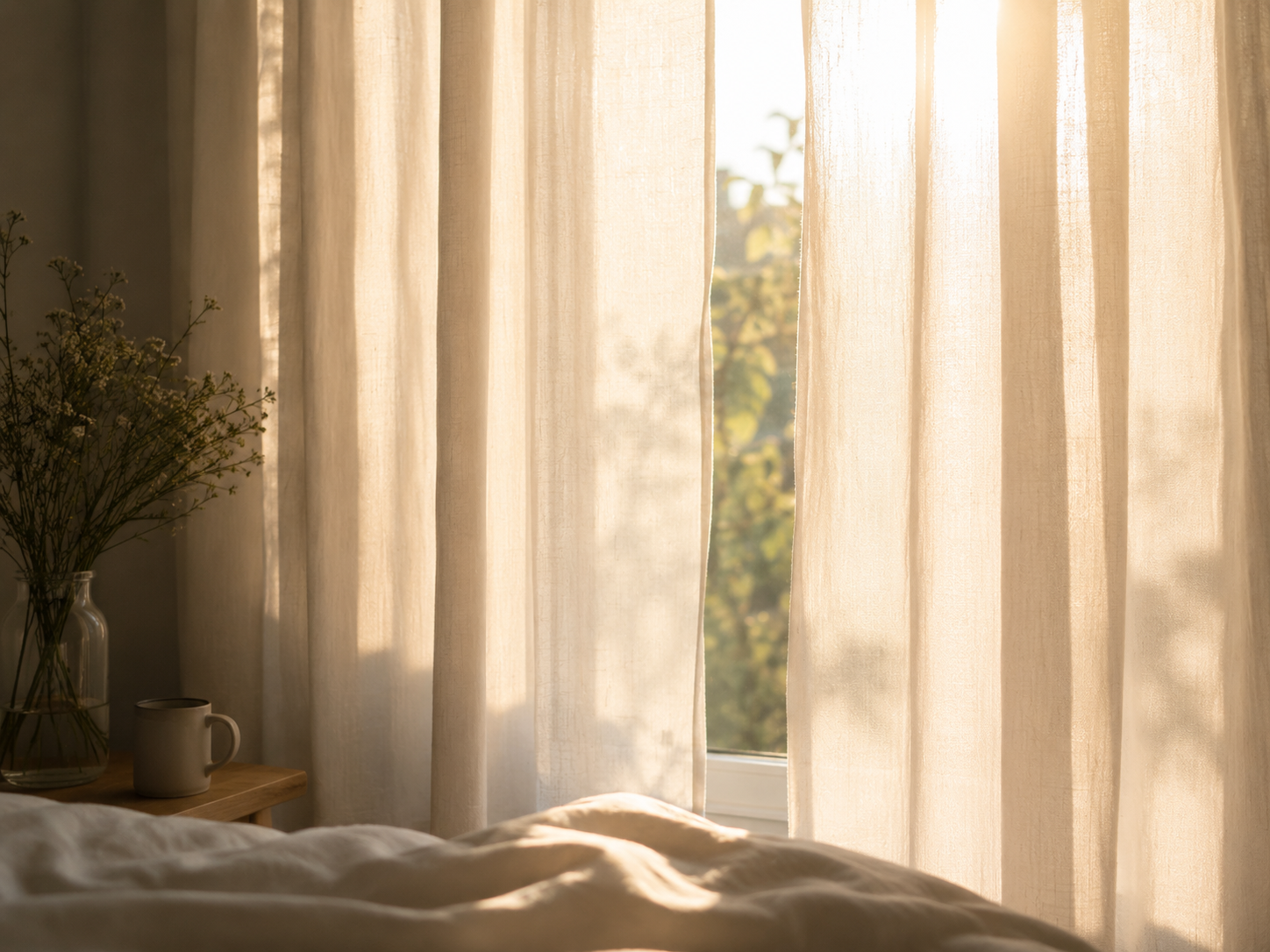
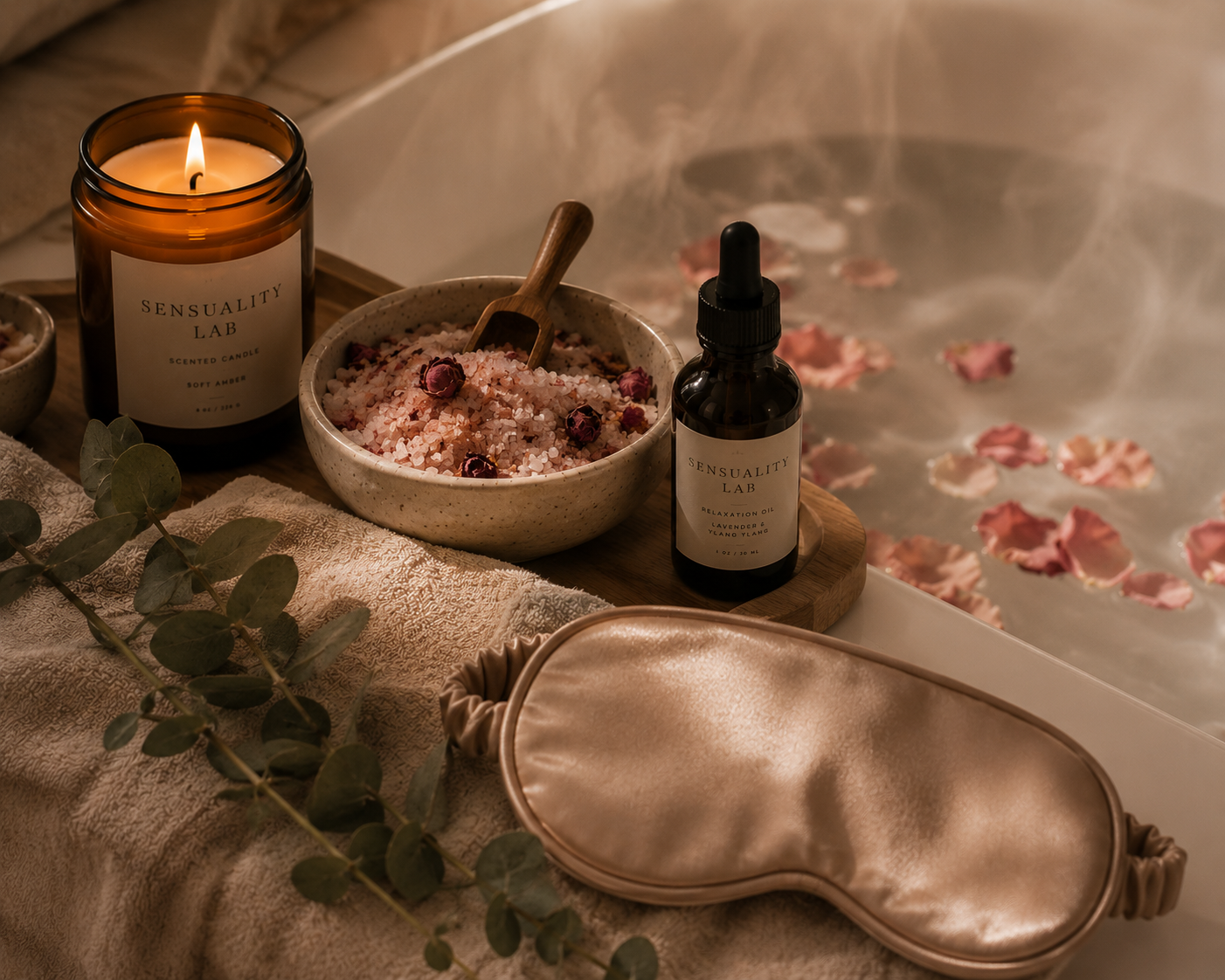
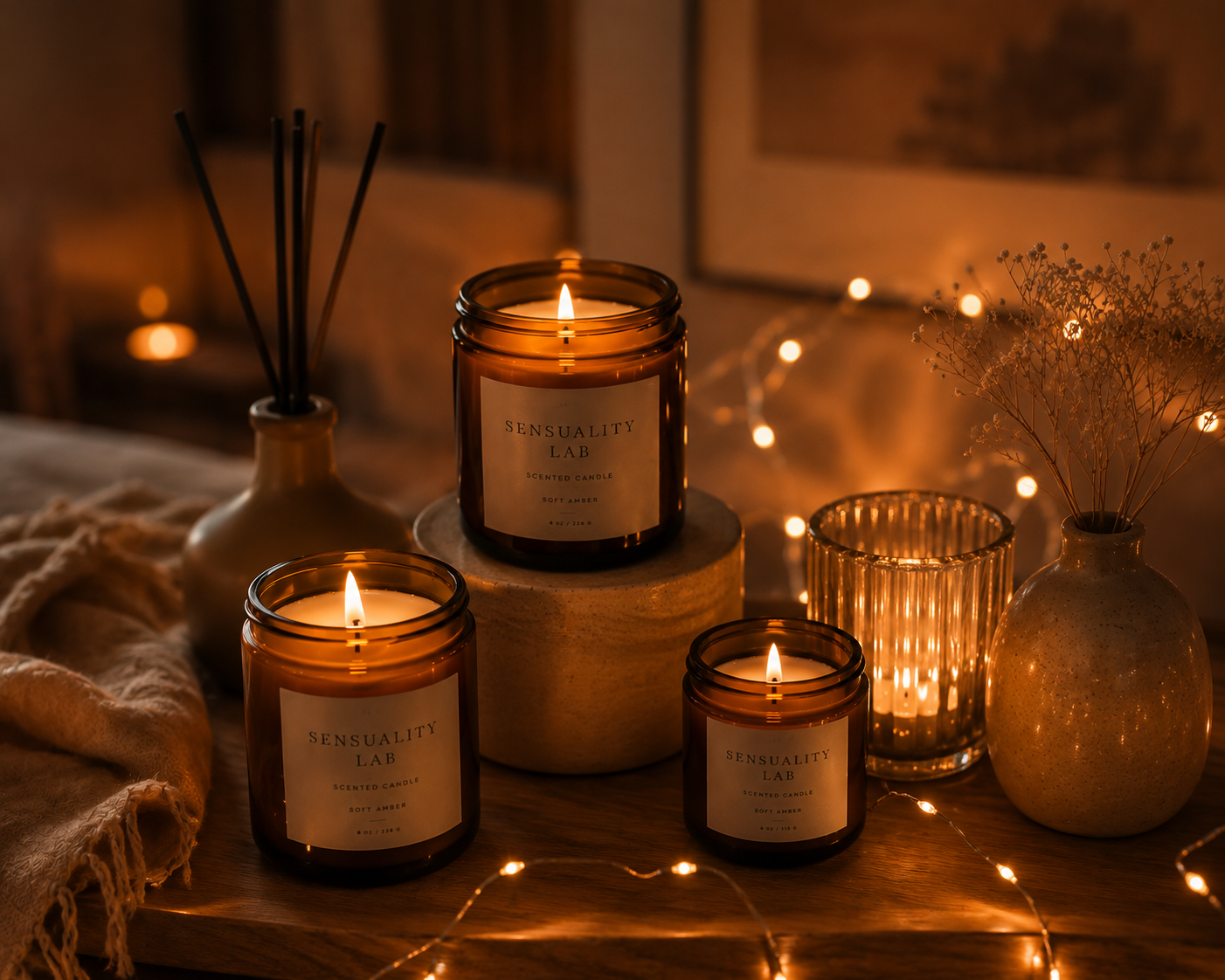
Warm bulbs, candles, plush blankets, and clean bedding all help the space feel less functional and more inviting. These layers work best when they are understated, letting the room feel elegant rather than heavily styled or forced.

  • Use lamps and candlelight to avoid a flat, overly bright room.
  • Add one soft texture such as a throw, robe, or fresh bedding layer.
  • Keep scent gentle and consistent with the rest of the room.

Build a slower transition

The mood usually begins before intimacy, not at the exact moment you want connection.

Pour a drink, start a playlist, take a shower, or share a few minutes of quiet conversation before anything else. Those rituals help the body slow down, making the rest of the evening feel less abrupt and more emotionally grounded.

  • Choose rituals that are easy to repeat on ordinary weeknights.
  • Use music or scent as the cue that the evening is shifting.
  • Keep your first step so simple that it feels natural.

Stay responsive

A good mood feels shared, which means paying attention to what relaxes both people.

The most memorable evenings rarely follow a script from start to finish. They evolve based on comfort, energy, and the small cues that tell you whether to keep talking, slow things down, or simply enjoy the atmosphere for a while longer.

  • Let comfort lead instead of trying to force a perfect plan.
  • Ask simple questions if you are unsure what would feel good next.
  • Remember that a calmer atmosphere is already a success on its own.

Helpful next steps

Romantic Home Guides That Pair Well With This One

Related page

Date Night at Home

Turn mood-setting into a full evening plan that feels affordable and easy to repeat.

Plan the night

Related page

Spa Night for Couples

Use bath, music, candles, and touch to make the home feel more restorative.

Explore this page

Related guide

Mindful Intimacy

Bring more presence and emotional connection into the atmosphere you create.

Read the guide

Common questions

Mood-Setting FAQs

What are the easiest ways to set the mood at home?

Dimmer lighting, a clutter-free room, one subtle scent, low music, and a few minutes without phones often create the biggest shift with the least effort.

Do I need candles and special decor to set the mood?

Not at all. Warm light, clean bedding, and a slower transition into the evening can be enough to change the tone dramatically.

How can I make mood-setting feel natural?

Choose rituals that fit your real life. When the setup feels easy and repeatable, it tends to feel far more natural than a highly elaborate plan.

Related links

Continue exploring connected pages.

Keep the evening flowing

Use mood-setting as the first step toward a warmer, slower night at home.

Once the room feels right, even simple rituals can feel much more intentional and connected.